Immersive Exhibition Spaces
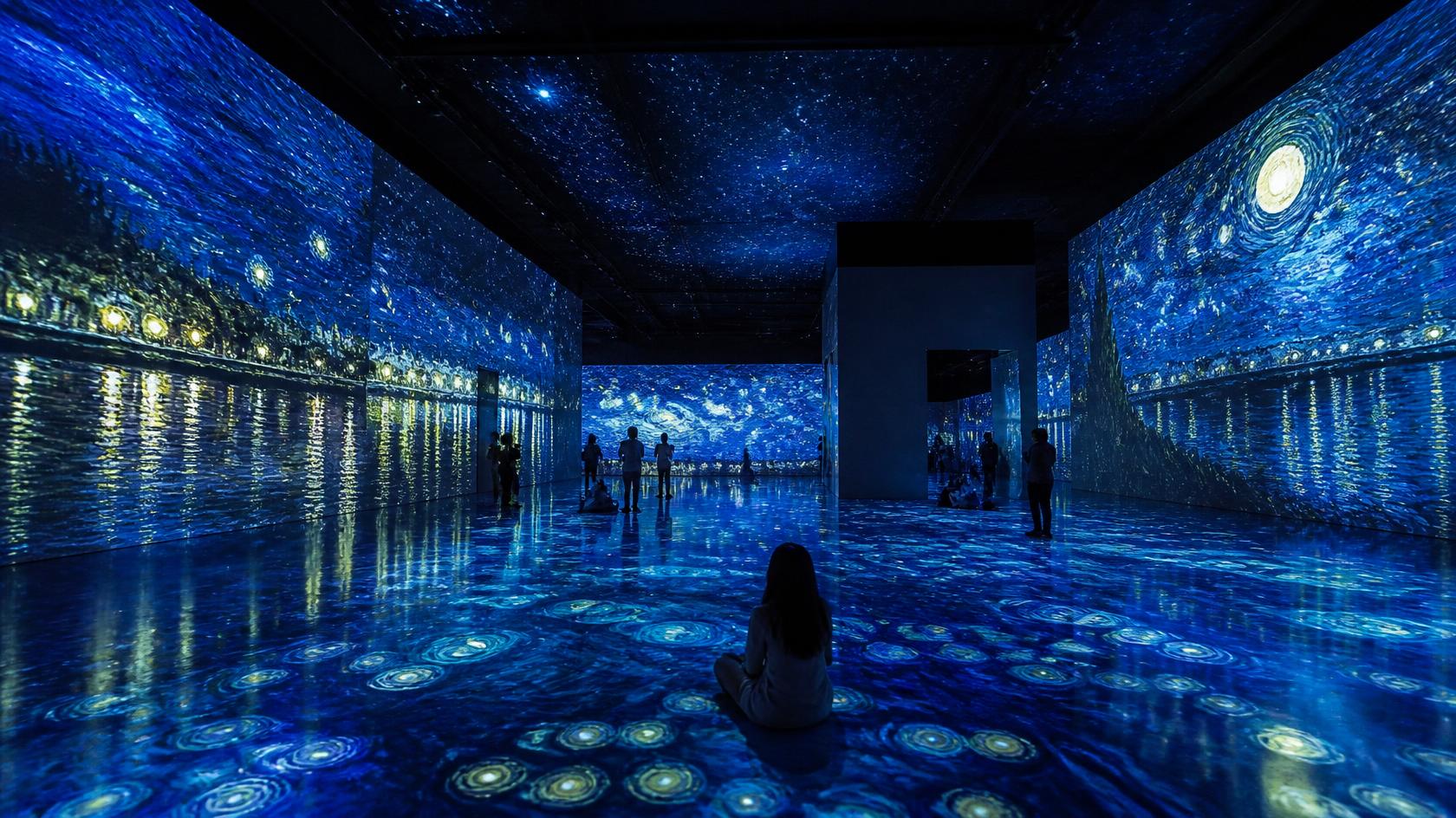
Large-scale projection can transform walls, floors, and surrounding surfaces into visual environments for exhibitions and cultural storytelling.


Create engaging museum and exhibition environments with immersive projection, interactive displays, and digital storytelling.
Museums and exhibition halls increasingly use digital technology to make cultural, historical, and educational content more engaging. Projection can extend traditional displays into large-scale visual environments, interactive exhibits, and immersive storytelling experiences.
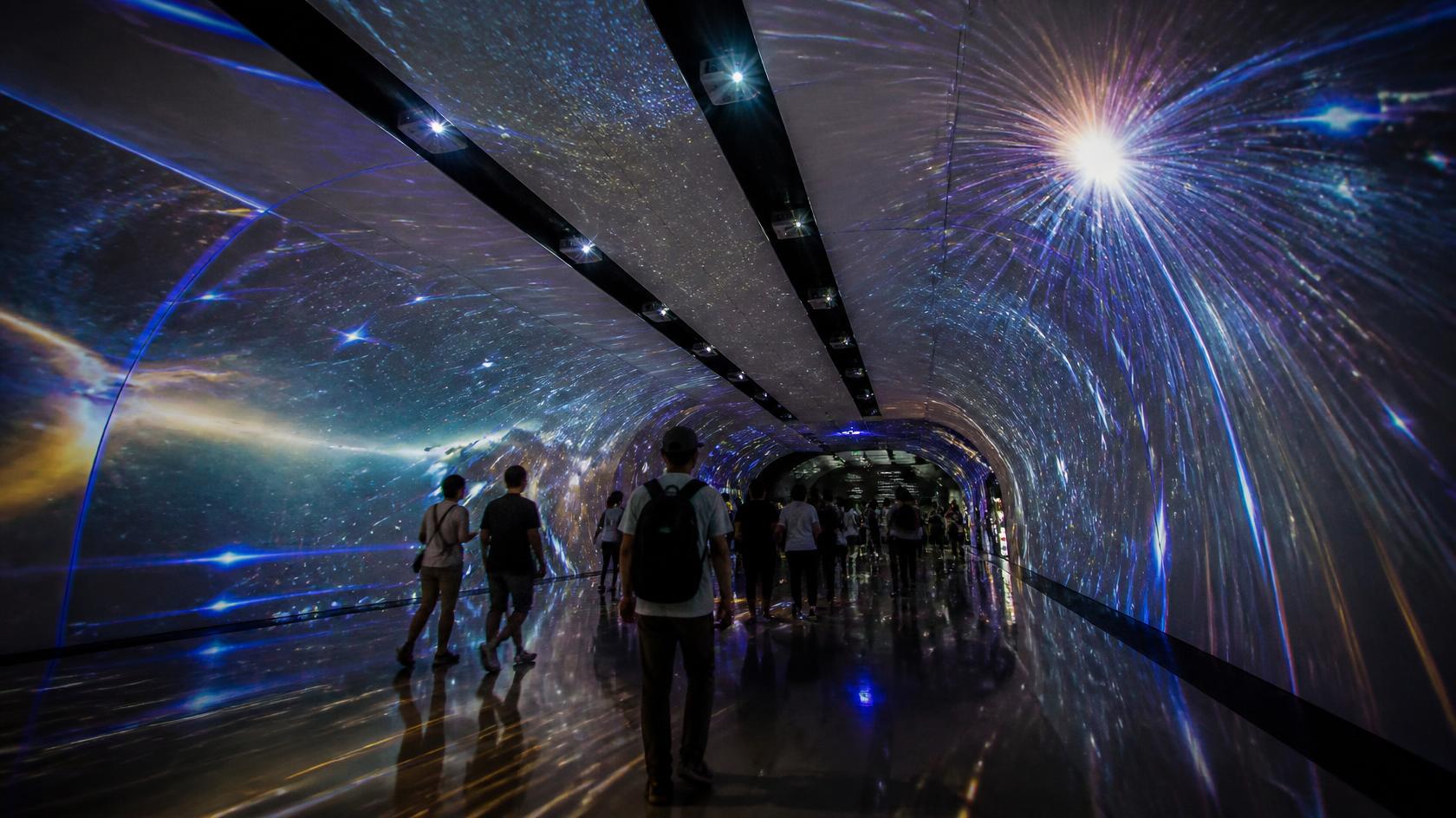
From a single projected wall to a multi-projector immersive environment, the system can be designed around the space, content, visitor flow, and intended experience.
Projection technology can support different types of museum and exhibition experiences, from large-scale visual storytelling to interactive displays.
Large-scale projection can transform walls, floors, and surrounding surfaces into visual environments for exhibitions and cultural storytelling.
Projection and audiovisual content can present historical, cultural, educational, and narrative content in engaging visual formats.
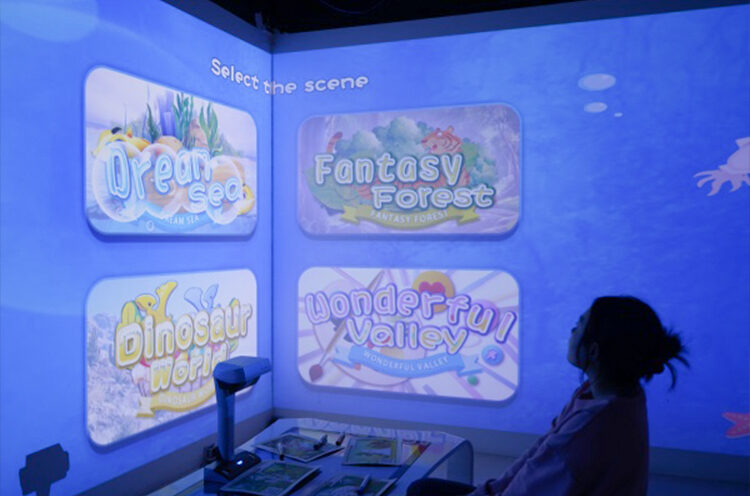
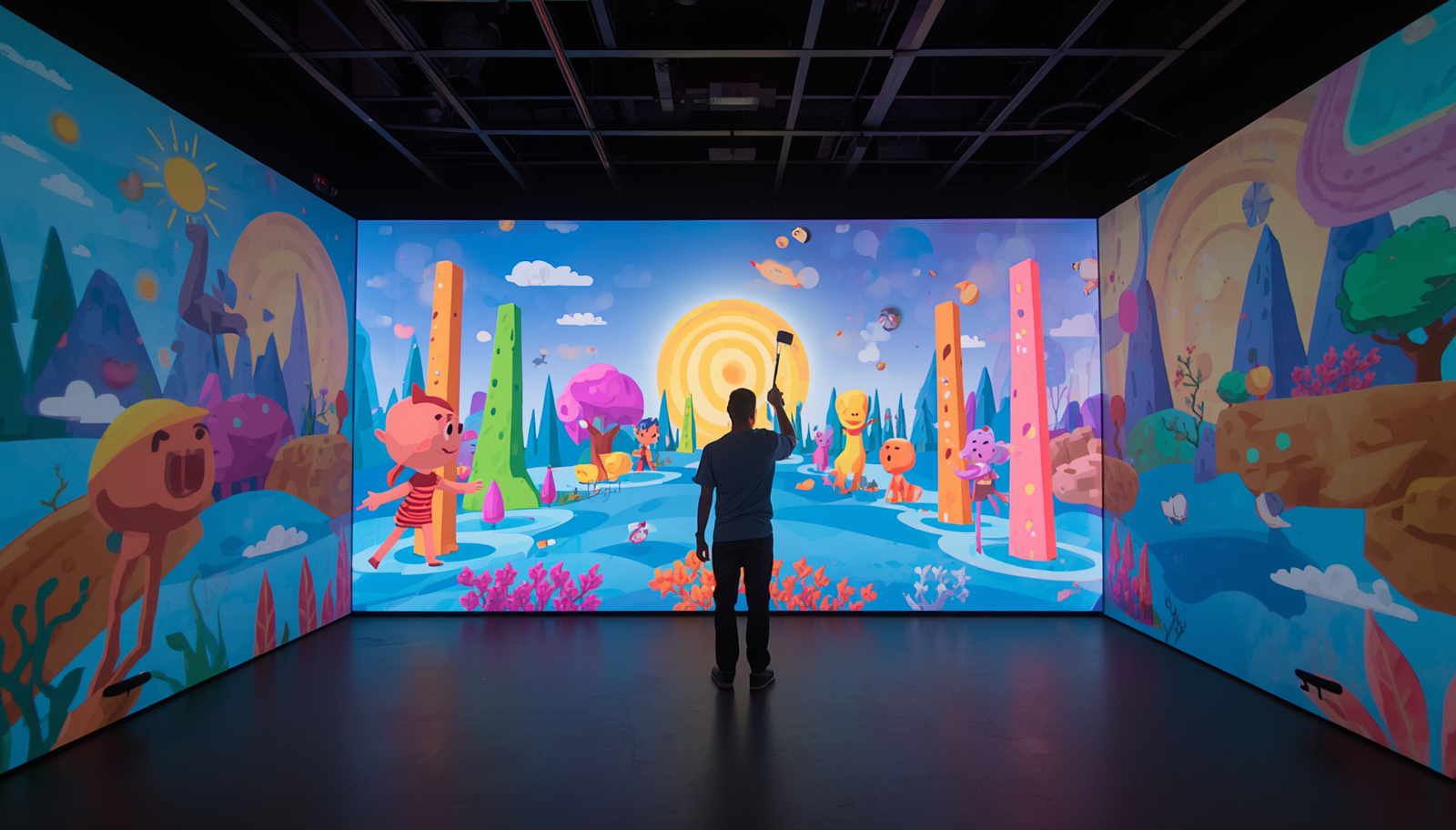
Projection can be combined with cameras, sensors, and interactive software to create responsive experiences for visitors.
Flexible projection systems can support temporary exhibitions, themed displays, and special cultural installations.
Different exhibition concepts require different technical approaches. The projection system can be designed around the physical space, visual content, visitor experience, and operational requirements.
Use walls, floors, or multiple surfaces to create a continuous visual environment around visitors.
Explore Related ProductsCombine projected visuals with cameras, sensors, and software to allow visitors to interact with the content.
Explore Related ProductsAdapt projected visuals to architectural structures, objects, stages, or exhibition installations.
Explore Related ProductsCombine multiple projectors and edge blending to create larger and more continuous visual surfaces.
Explore Related ProductsA successful exhibition system requires different technologies to work together. We can help coordinate projection hardware, interactive systems, control systems, content, and technical requirements.
Projection systems selected according to image quality, brightness, coverage, projection distance, and project requirements.
Combine multiple projectors to create seamless large-format visuals across walls, floors, and immersive spaces.
Integrate cameras, sensors, and interactive software when visitor interaction is required.
Adapt projected content to architectural structures, objects, stages, and exhibition installations.
Coordinate projection, content, interaction, and system timing for reliable operation.
Coordinate equipment preparation, system configuration, testing, calibration, remote debugging, and installation guidance according to project requirements.
Planning the projection system at an early stage helps ensure that the space, visuals, technology, and installation requirements work together.
Room dimensions, ceiling height, projection surfaces, viewing distance, visitor flow, and environmental conditions.
Brightness, resolution, projection distance, image size, coverage, and multi-projector requirements.
Static visuals, animation, video, interactive content, and synchronization requirements.
Projectors, edge blending, interactive systems, control systems, sensors, and other required equipment.
Mounting, cabling, calibration, testing, maintenance access, and on-site installation requirements.
Explore projection systems that can be configured for museum and exhibition projects.
The number of projectors depends on the room dimensions, projection surfaces, required image size, brightness, projection distance, and whether multiple projectors need to be blended together. The system should be planned around the specific space rather than a fixed projector count.
Yes. Projection can be designed for walls, floors, ceilings, objects, or multiple surfaces depending on the space and installation conditions. The projection surface, projector position, viewing angle, and environmental conditions need to be considered during planning.
Yes. Interactive projection can combine projected visuals with cameras, sensors, and software to create responsive visitor experiences. The required technology depends on the type of interaction and content.
Important factors include room dimensions, projection surfaces, ambient light, viewing distance, projector placement, content requirements, system control, installation, and maintenance access.
Yes. Projection systems can be configured for temporary or permanent installations. Temporary projects may require additional planning for setup time, equipment placement, calibration, cabling, and dismantling.
Tell us about your exhibition space, project goals, visual content, and technical requirements. We can help you explore a suitable projection and immersive solution.
Discuss Your Project